WHAT IS ERYTHROPOIESIS?
ERYTHROPOIESIS
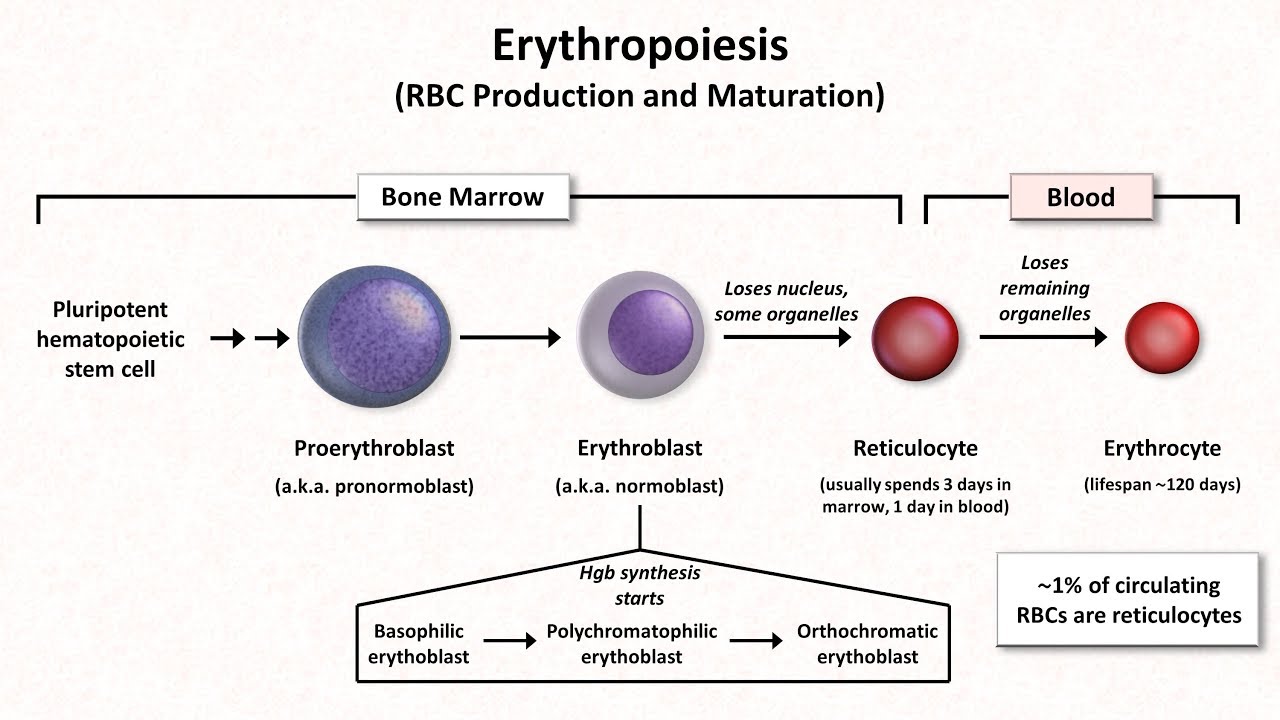
What you need to know
FACTORS AFFECTING ERYTHROPOIESIS
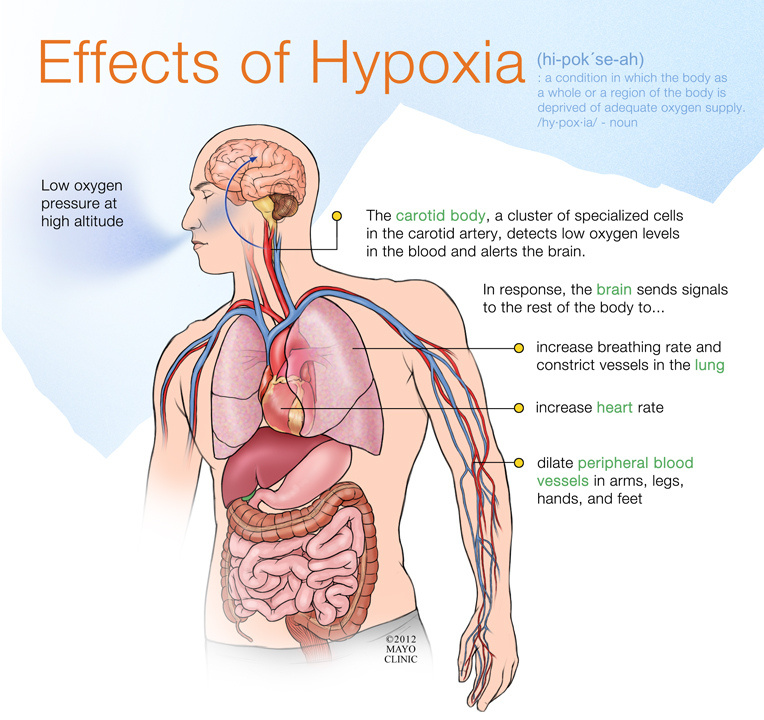
- Tissue Oxygenation
Tissue required oxygen to undergoes it function and process in human body. Tissue hypoxia is a condition where the tissue starved of oxygen or can be understand as insufficient of oxygen in the tissue. When tissue hypoxia occurs, it will leads to increase rate of erythropoiesis to create more red blood cell to transport more oxygen from the lung to the tissue to resole the hypoxia.
- Vitamins
Thiamine triphosphate, a DNA building block, and vitamin B12 and Folic acid are required for the production of thymidine triphosphate. The shortage of vitamin B12 and folic acid will result in decreased DNA as a consequence of the failure of nuclear maturation, as well as in deficient erythropoiesis (red blood cell production).
Vitamin C enhances the action of folic acid, and it is also beneficial in iron absorption, since it is responsible for converting ferric to ferrous iron ions.
Pyridoxine is a coenzyme involved in the condensation of Glycine and succinyl-CoA, while Riboflavin and Pantothenic acid are involved in the creation of Heme, which is responsible for the generation of iron for red blood cells as well as cell development and division.
/the-best-vitamin-for-fighting-inflammation-4176859_FINAL-5c05c5f946e0fb0001fc46fb.png)
Don't forget to eat adequate amount of vitamin!
- Metals
Iron, Copper, Cobalt, Nickel and Manganese is the metals that affect the rate of Erythropoiesis. Copper is necessary for Iron transfer from the storage sites which is Bone marrow, Liver and Spleen.
- Proteins
Adequate protein diet are very essential for human body to keep up with the normal level of Erythropoiesis for the normal rate of formation of Globin.
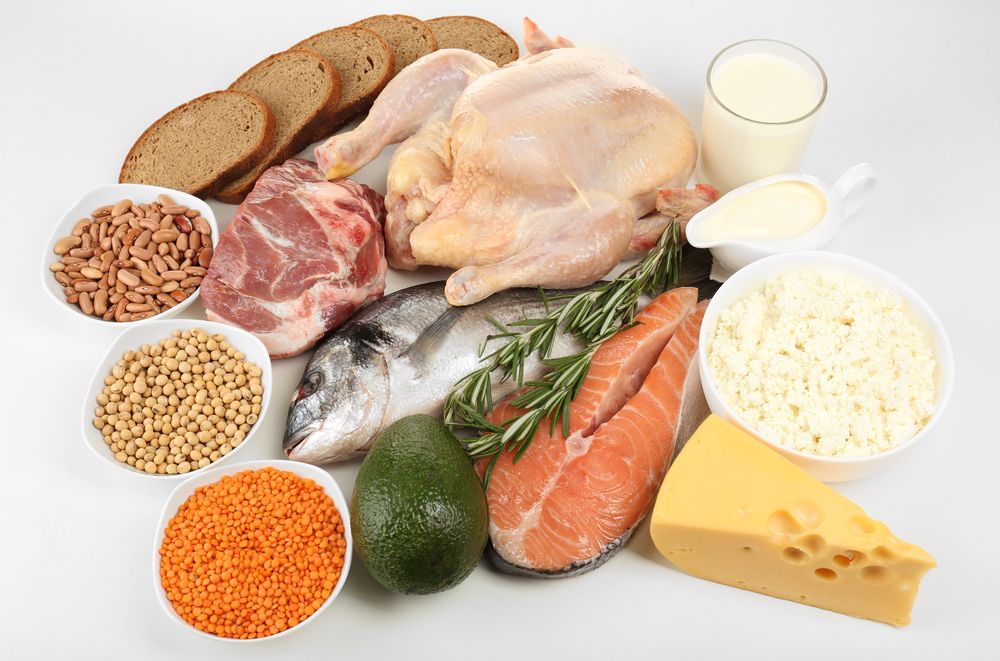
Food that rich in Protein!
- Hormones
Hormones such as Testosterone, Growth hormone, Thyroid hormone, Cortisol and Adrenocorticotrophic hormone ACTH helps in regulating the Erythropoiesis.
- Other condition stimulating Erythropoiesis
Exercise, Excitement, Menstruation, Pregnancy, and Menopause.

REFERNCES
Vasković, J. (2019, August 22). Erythrocytes. Kenhub. Retrieved October 27, 2021, from https://www.kenhub.com/en/library/anatomy/erythrocytes


Good
ReplyDelete