WHAT IS HAEMOGLOBIN SYNTHESIS AND ITS FUNCTION?
HAEMOGLOBIN SYNTHESIS

What you need to know
Haemoglobin synthesis occurs in precursor cells (pronormoblast) which located in bone marrow
The Process
- Supply of iron from meal absorbed in intestines /liver.
- Iron then transport to bone marrow by transferrin.
- When it reaches the pronormoblast, the transferrin will bind to the receptor on the membrane of the cell.
- The cell will take in the receptor, tranferrin with iron into the cell. The transferrin and iron separated in the cytoplasm of the cell.
- The transferrin transported out from the cell and recycle.
- The iron release in the cytoplasm of the pronormoblast.
- If too much of iron concentration in the cytoplasm, it will store in ferritin as instant storage. When there is lack of iron concentration, the ferritin will release enough iron in the cytoplasm.
- Ferric iron(Fe 3+) will convert into ferrous iron(Fe 2+) in presence of ferric reductase enzyme. The ferrous iron transports into the mitochondria.
- Haem synthesis occurs in mitochondria. Haem synthesis starts with the condensation of glycine, Succinyl CoA and Vitamin B6 to form delta-ALA under action of rate limiting enzyme delta-aminolevulinic acid synthase.
- Delta-ALA move out of the mitochondria and condense to form porphobilinogen.
- Porphobilinogen condense to form uroporphyrinogen.
- Uroporphyrinogen is then converted to coprophyrinogen.
- Coprophyrinogen then changes to protoporphyrin.
- Protoporphyrin move back into the mitochondria and ultimately combines with iron in the ferrous state(Fe2+) to form haem.
- Synthesis of globin starts with production alpha and beta chains from polyribosomes based on genetic code.
- Alpha and beta chains then converted into 2 alpha and 2 beta globin(HbA).
- Each haem molecule combines with globin chain to form haemoglobin.
HAEMOGLOBIN SYNTHESIS FUNCTION
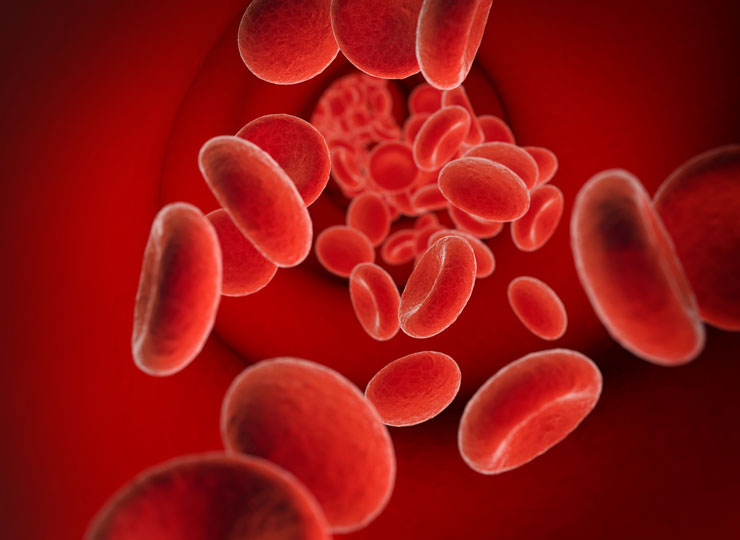
Create more red blood cells
transport sufficient amount of oxygen to body tissues and prevent aneamia
Produce coordinated haem and globin.
Provide sufficient amount of iron to prevent haemoglobin abnormalities
As a negative feedback for kidney failure

Comments
Post a Comment